


Beyond the Medical Chart: The Secret Tool Geriatric Care Managers Use to Transform Your Parent’s Care

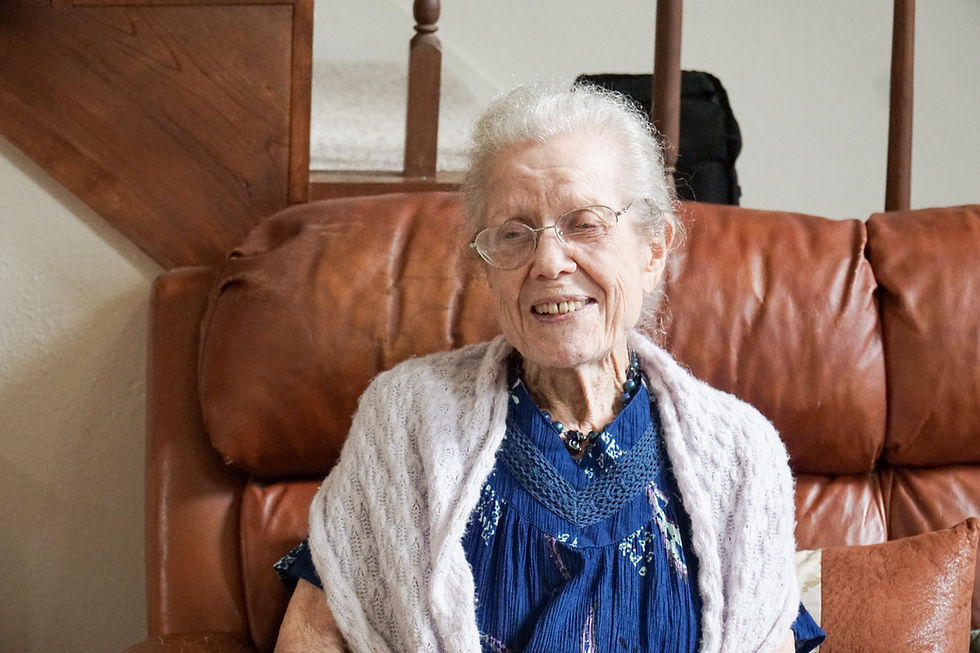
When your aging parent enters the healthcare system, it can feel like their identity vanishes behind a wall of medical codes, prescriptions, and test results. Suddenly, they’re “a case” instead of a person, a diagnosis instead of a dad, a medication list instead of a mom. Families often walk away from appointments feeling invisible, as though their loved one has been reduced to nothing more than symptoms on a page.
But here’s the truth: the most powerful tool in elder care isn’t found in a medical chart at all. It’s your parent’s life story. Their social history. And for a Geriatric Care Manager (GCM), this hidden history can be the difference between cookie-cutter care and care that actually works.
Think of a social history as your parent’s personal blueprint. It’s not just “female, 84, with diabetes and arthritis.” It’s the fabric of who they are: the career they poured their energy into, the family bonds (or estrangements) that shape them, the faith that gives them comfort, the hobbies that light them up, and the little routines, like morning coffee or evening news, that still anchor their days.
A thorough social history includes:
Career and Identity: Was Dad an engineer, an artist, a teacher? This background shapes how he processes information and how he responds to authority.
Family and Relationships: Who matters most, and who doesn’t? A GCM looks beyond the family tree to uncover estrangements, lifelong friendships, or chosen family.
Culture and Faith: Beliefs and traditions aren’t just details; they guide how a parent views illness, independence, and end-of-life.
Daily Rhythms and Rituals: From a 4 p.m. cup of tea to an early-bird exercise habit, routines are powerful stabilizers.
Passions and Hobbies: Music, gardening, woodworking, reading… these aren’t pastimes; they’re keys to joy, engagement, and connection.
A Geriatric Care Manager is part biographer, part detective.

Doctors often have 15 minutes. Nurses juggle dozens of patients. But a GCM has something no one else does: time to listen.
A GCM doesn’t just read forms; they walk into your parent’s living room, notice the photos on the mantel, ask about the trophies on the shelf, or gently ask, “What does a perfect day look like for you?”
They aren’t collecting trivia. They’re piecing together a psychological and emotional map that no medical intake form could ever capture. And that map becomes the foundation of care that feels not just effective, but human, too.
Social History transforms care in real life. This isn’t just “nice to have.” Social history has real, measurable impact on quality of care. Here’s how:
Building Trust and Cooperation:
A proud retired engineer may bristle at being “told what to do.” But when a GCM frames a therapy plan as a testable hypothesis, compliance skyrockets. Respect builds trust, and trust leads to better outcomes.
Easing Behavioral Symptoms of Dementia:
Anxiety and agitation often mask unmet needs. A former homemaker who grows restless in the late afternoon may be reliving the “dinner rush” from her parenting years. Instead of sedation, a GCM might create a purposeful activity, like folding napkins, that restores calm and dignity.
Matching the Right Caregiver:
Social history allows for laser-focused caregiver matches. A retired teacher thrives with a caregiver who loves conversation. A former jazz musician lights up when paired with someone who shares a love of music. These matches reduce turnover and create bonds that feel like family.
Turning Activities into Meaningful Engagement:
A generic “listen to music” suggestion becomes powerful when tailored, like playing Frank Sinatra for a lifelong fan. Instead of random crafts, a gardener gets to pot seedlings, reigniting joy and purpose.
Guiding End-of-Life Decisions:
Social history ensures that advance care planning reflects not just medical needs but life values. Was independence their defining trait? Was family central? Did faith guide their worldview? These answers shape care with dignity, clarity, and respect.
The bottom line is, your parent is more than a patient.
A medical chart explains what’s happening to the body. A social history reveals who is living in that body.
When you bring in a Geriatric Care Manager, you’re not just hiring someone to manage medications or coordinate appointments. You’re bringing in an advocate who sees the whole person. They take your parent’s lifetime of stories, habits, and values, and weave them into a plan that truly fits.
Because at the end of the day, elder care isn’t just about treating illness. It’s about honoring a life well-lived while protecting the life still unfolding.
If you’re feeling like your parent is getting lost in the shuffle of medical jargon, it may be time to partner with a Geriatric Care Manager. Their secret weapon, the social history, could be the missing link that transforms your parent’s care from clinical to compassionate. Use this FORM to request a free consultation with our team so we can point you in the right direction.


Comments