


The Surprising Benefits of Plant Parenthood: Gardening For The Elderly
- seniorsteps

- Nov 30, 2025
- 3 min read
We often think of companionship as something that walks, talks, or wags a tail. But for many seniors, especially those navigating life in a smaller home or a retirement community, a different kind of companion can offer profound comfort and purpose: the humble houseplant. While the idea of talking to your plants might seem whimsical, the simple, the daily routine of indoor gardening for the elderly is a powerful tool for enhancing well-being in later life.
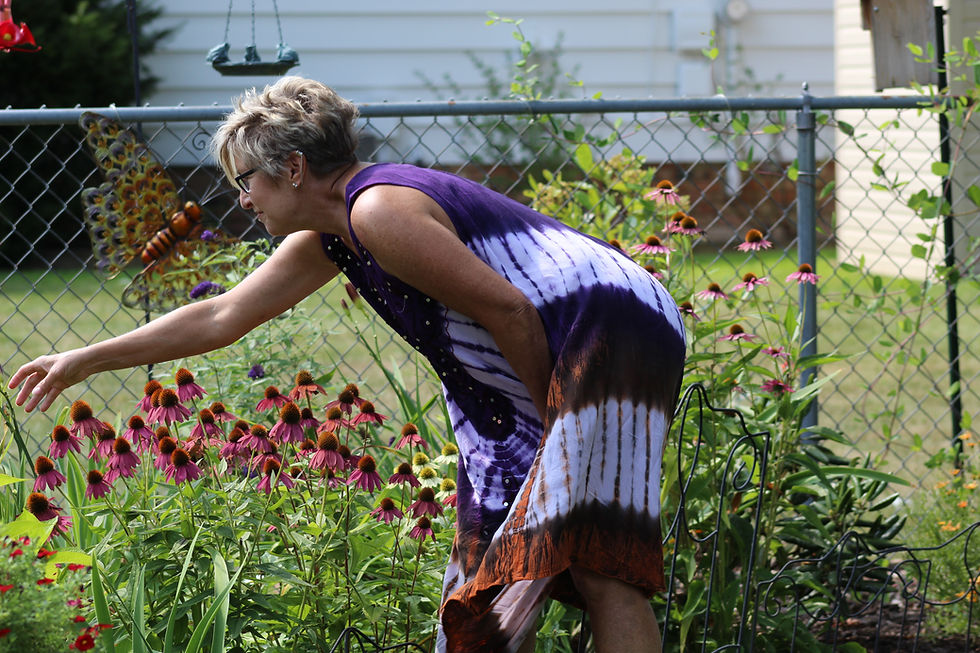
For an elder, the days can sometimes blend, with a lack of distinct structure leading to feelings of listlessness or irrelevance. A houseplant disrupts that monotony. It doesn’t demand much, but it does need care and love. It needs water when the soil is dry. It thrives when given a spot in the sun. It may even need its leaves dusted or an occasional drop of plant food. These small, manageable tasks help structure the week.
Beyond routine, the presence of greenery itself is a good thing for the senses and the soul. Interacting with plants can lower blood pressure, reduce stress hormones like cortisol, and ease feelings of anxiety. In a world that can sometimes feel sterile or overly clinical, a thriving green plant is a vibrant connection to the natural world. It’s a piece of the forest, the desert, or the rainforest, right on the windowsill. Watching a new leaf slowly unfurl or a tentative bud begin to bloom offers a front-row seat to a quiet, persistent miracle. This focused observation is a form of mindfulness, pulling one’s attention away from worries about the past or future and into the calm, present reality of growth and life.
Getting started with this green friendship doesn’t require a green thumb, just a little strategy. The key is to choose a plant that matches one’s lifestyle and abilities. Low-maintenance, forgiving varieties are perfect for beginners. A Snake Plant (Sansevieria) is nearly indestructible, thriving on neglect and low light; A ZZ Plant is similarly resilient. A Jade Plant (Crassula ovata) is a succulent that requires infrequent watering and feels like a tiny, sculptural tree. The act of choosing the plant is the first step—a small adventure to a local nursery or a browse through an online garden center, a decision that is entirely one’s own.
This simple act of “plant parenthood” is a small change with ripple effects. It rebuilds a sense of competence and responsibility. It provides a non-stressful topic of conversation with visitors and caregivers—“Did you see my orchid is about to bloom?” It beautifies a personal space, making it feel more alive and personalized. In a phase of life that can involve many losses, cultivating a new life, however small, is a powerful, positive affirmation.
For families and seniors looking to integrate these and other holistic well-being practices into a larger care plan, a geriatric care manager can be an invaluable resource. These professionals act as guides and advocates, helping to assess an older adult’s unique physical, social, and psychological needs. They can suggest tailored activities, from horticultural therapy groups to community gardening projects, and help coordinate care to ensure that an elder’s environment—whether at home or in a facility—is one that not only supports their safety but actively cultivates their happiness and sense of purpose, one small, green leaf at a time.
If you or an elder loved one have questions about navigating the challenges of aging, feel free to contact the Geriatric Care Managers at Senior Steps. We offer free 15-minute consultations over the phone at 617-405-8796 or online at SeniorSteps.org/book-online.


Comments